
You walked past the side of your house and saw it: peeling stucco, curling at the edges like old tape. A spot that looked fine last spring now flakes off when you brush it with your hand. So if you own a stucco home around Binghamton, that sight is frustrating, because solid stucco painting should hold its look for years, not give out after a winter or two.
Maybe you paid good money for that paint job. Or maybe you did it yourself one summer and felt proud of the result. Either way, watching it fail feels personal. You start to wonder if you got cheated, or if you missed a step, or if the wall is hiding a bigger problem underneath. But those worries are fair. So here is the good news: peeling almost always has a clear cause, and an even clearer fix.
Now let’s walk through why stucco paint lets go, why our cold winters speed it up, and what a lasting paint job actually takes.
Key Takeaways

What Causes Peeling Stucco in the First Place
Stucco looks rock-hard, but it behaves like a sponge. So it soaks up water and then lets it dry back out through thousands of tiny pores. That is normal, because the wall is built to handle it.
But trouble starts when paint seals those pores shut. Water still finds a way in, through hairline cracks, gaps around windows, or a leaky gutter above. Once it sits behind the paint, it has nowhere to go. So the water pushes outward, the bond lets go, and the finish bubbles, flakes, and drops off. That is the peeling cycle, which keeps repeating until someone fixes the water, not just the paint on top of it.
You might also spot a white, chalky dust on the surface. Painters call it efflorescence. That is simply salt from inside the stucco, carried to the wall’s face by moisture. And if a painter coats over that salt without removing it first, the deposits keep pushing through, so the fresh coat peels within weeks.
How to Tell Peeling From Other Stucco Trouble
Not every mark on a wall means the same thing, so a quick check saves you money. First, peeling paint lifts off in sheets or curls, usually due to trapped water or a weak bond. Next, the white, gritty efflorescence crust rubs off as powder and returns if moisture remains. Mildew shows up as black or green spots that smear when wet.
So each one points to a different next step. But all three share a single root: water moving through the wall. Once you find the water, you find the real repair.
Why Cold Winters Make It Worse

Binghamton gives stucco a hard time. First, water seeps into the wall during a wet fall. Then the temperature drops, that water freezes, and it expands. When the day warms up again, the ice melts, and the water moves once more. So this freeze-and-thaw pattern runs all season long.
And each cycle works like a small wedge. It widens hairline cracks and loosens any coating that was not built to flex. A paint made for mild, dry weather simply cannot keep pace here. That means a finish that holds up fine in Arizona can fail fast in upstate New York. That single fact explains why borrowed advice from a sunny-state blog often steers local homeowners wrong.
The Stucco Painting Mistakes That Lead to Failure
Most peeling traces back to a handful of avoidable errors. So knowing them helps you ask sharper questions before you hire anyone.
So get these wrong and even pricey paint fails early. But get them right, and a sensible coating can last a decade.
A Simple Plan for Stucco Painting That Lasts
Here is the part that puts you back in charge. A lasting job follows three plain steps, and you can hold any painter to every one of them.
First, find and fix the water. That means checking gutters, downspouts, flashing, and the slope of the soil near the wall. So paint goes on after the leaks are handled, never before.
Next, prep the surface with patience. Wash off dirt and salt, scrape away loose material, patch cracks with masonry caulk, and let it all dry out. Then new stucco gets its full cure time. After that, a masonry primer seals the surface and neutralizes alkalinity.
Last, brush or spray on a breathable masonry coating rated for rough weather. So this finish flexes with the wall, letting vapor move through, and water never gets trapped behind it again.
And that is the whole method. No gimmicks, no shortcuts. Just the right order, done with care.
Who You Want Holding the Brush
Stucco is not the same animal as wood siding, so it rewards a crew that respects the difference. When you compare exterior painters, ask whether they cure-check stucco, which primer they use, and how they address salt and cracks. So a clear, specific answer is a good sign. But a blank stare is a warning.
Brushes Over Broome LLC has painted homes across Broome County since 2006. The team is Fine Paints of Europe certified and a member of the Painting Contractors Association, while brick and stucco sit inside their regular exterior house painting work. So masonry gets handled by its own rulebook, not treated like a wood porch.
What You Avoid by Doing It Right
A proper job saves you far more than a fresh color. First, you skip the repaint you would otherwise face in two years. You keep water out of the wall, which keeps mold and rot away from the wood framing underneath. So you protect the value of the house, and you stop wincing at that flaking corner every time you pull into the driveway.
And that calm is the real payback. Now your home looks cared for again, and you quit pouring money into the same stubborn problem.
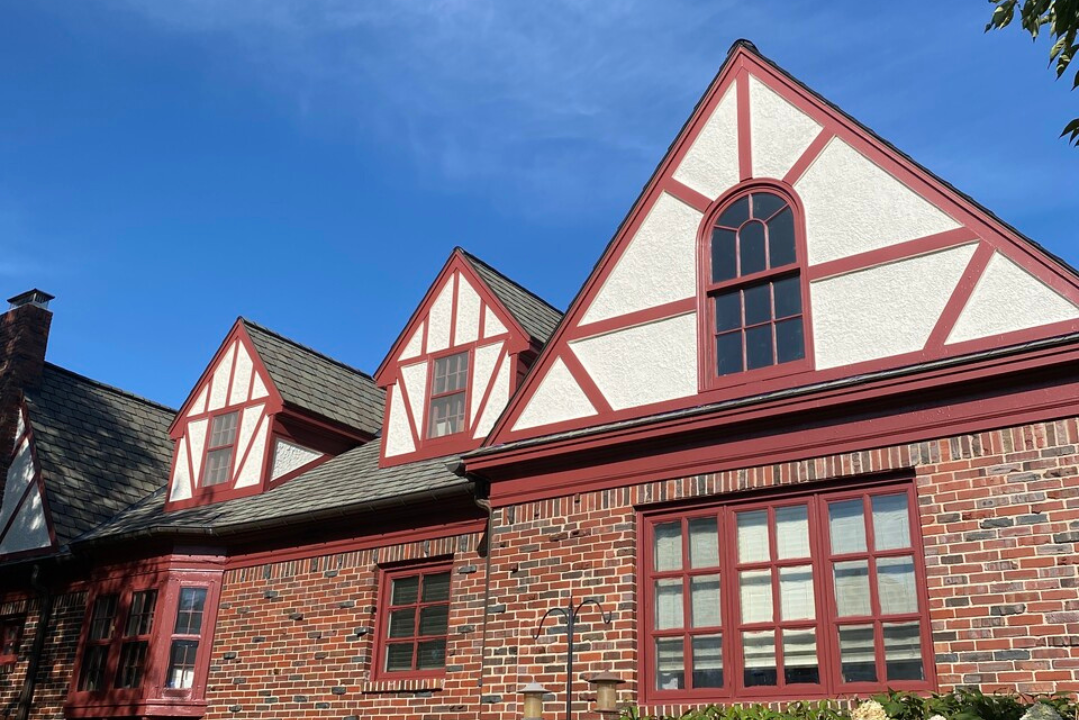
Get Stucco Painting Done Right in Binghamton
So if your stucco is flaking, cracking, or showing that white dust, do not grab a brush just yet. The wall is trying to tell you something, and a short look can reveal exactly what.
Now call Brushes Over Broome LLC at 607-524-5590 for a free, no-pressure estimate. And a local house painter will walk your home, check the moisture, and tell you straight whether it needs a full repaint or a smaller spot fix. So you get honest answers and a fair price, with no surprise charges on the final bill. Reach out today and give your stucco a finish that holds through a Binghamton winter.