Achieving a flawless paint finish in a commercial setting is crucial for creating a professional appearance, enhancing brand image, and ensuring long-lasting durability. Whether you’re repainting an office building, retail store, warehouse, or hospitality space, the quality of your paint job can significantly impact your property’s aesthetic appeal and value. However, delivering a perfect, even, and durable finish requires meticulous planning, proper techniques, and attention to detail.
In this comprehensive guide, we’ll outline the essential steps to ensure a flawless commercial paint finish—covering everything from surface preparation to final inspection. Follow these best practices to achieve professional results that stand the test of time.
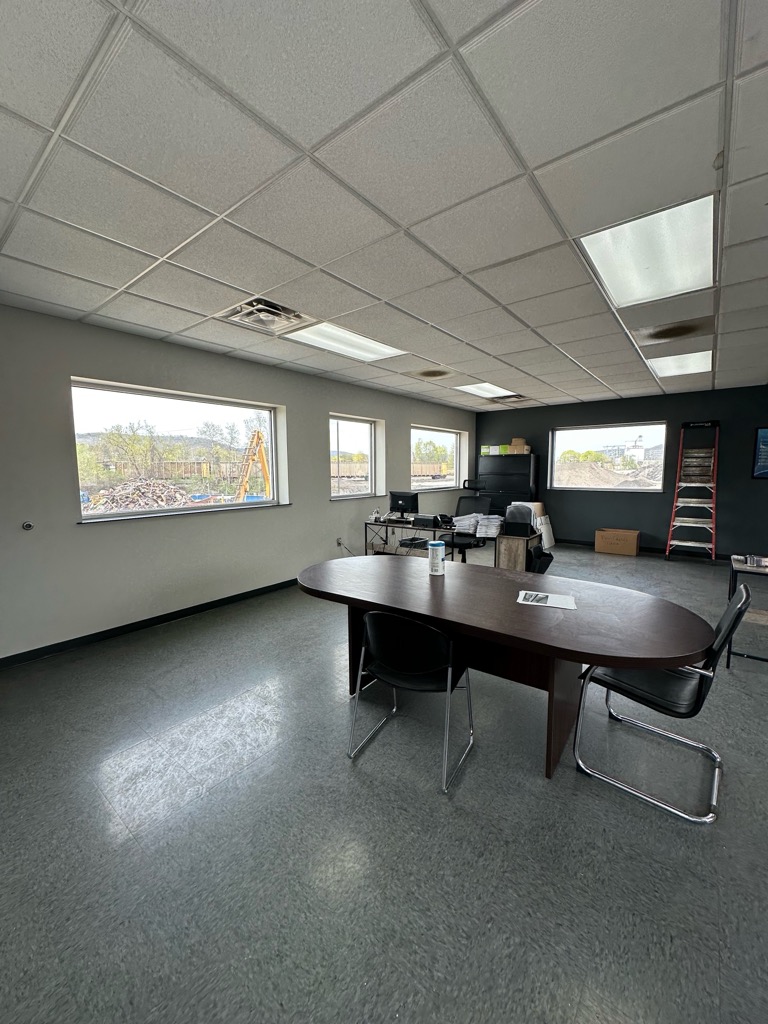
1. Conduct a Thorough Surface Inspection and Preparation
Why it matters: The foundation of a flawless paint job is a well-prepared surface. Any dirt, grease, cracks, or imperfections can compromise adhesion and result in an uneven finish.
Steps:
- Inspect the surface: Identify cracks, holes, peeling paint, mold, or moisture issues.
- Clean thoroughly: Remove dust, dirt, grease, and any other contaminants using detergents or degreasers suitable for the surface.
- Repair damages: Fill holes and cracks with high-quality fillers or patching compounds. Sand smooth once dried.
- Sand surfaces: Lightly sand glossy or rough areas to promote better adhesion. Use appropriate grit sandpaper—generally 120-220 grit.
- Address moisture issues: Ensure walls are dry and free from leaks or dampness before proceeding.
Tip: Use a moisture meter to detect humidity levels, especially in areas prone to dampness. Moisture can prevent paint from adhering properly and cause bubbling or peeling.
2. Prime the Surface
Why it matters: Primer promotes adhesion, provides a uniform base for the topcoat, and can prevent stains or color bleed-through.
Steps:
- Select the right primer: Use a high-quality primer suitable for the surface material (e.g., drywall, concrete, metal) and the type of paint you plan to use.
- Apply evenly: Use brushes, rollers, or sprayers to apply a consistent coat, following manufacturer instructions.
- Allow proper drying time: Ensure the primer is fully cured before applying the topcoat, typically 24 hours, unless specified otherwise.
Tip: For surfaces with stains, water damage, or uneven color, consider using a stain-blocking primer for superior coverage.
3. Choose High-Quality Paint and Equipment
Why it matters: Premium paints and professional equipment make a significant difference in the final finish’s smoothness, durability, and appearance.
Steps:
- Select durable, commercial-grade paints: Opt for paints designed for high-traffic or high-visibility areas, offering resistance to scuffs, stains, and environmental factors.
- Use the right tools: Invest in high-quality brushes, rollers, and sprayers appropriate for the project size and surface type.
- Maintain equipment: Clean tools regularly during the project to prevent debris or dried paint from marring the finish.
Tip: Using a sprayer can provide a more uniform finish for large surfaces, but it requires skill and proper masking to avoid overspray.
4. Apply Multiple Thin Coats
Why it matters: Thick coats tend to drip, sag, or form uneven textures. Multiple thin coats result in a smoother and more durable finish.
Steps:
- Follow manufacturer instructions: Adhere to recommended drying times between coats.
- Maintain a wet edge: Work quickly and consistently to prevent lap marks.
- Sand between coats: Lightly sand (using fine-grit sandpaper) after the first coat, removing imperfections and ensuring adhesion for subsequent layers.
Tip: Patience is key—wait until each coat is fully dry before applying the next to avoid issues like bubbling or peeling.
5. Pay Attention to Environmental Conditions
Why it matters: Temperature, humidity, and ventilation significantly influence paint drying and curing.
Guidelines:
- Ideal conditions: Typically, temperatures between 50°F and 85°F (10°C to 29°C) with low humidity are recommended.
- Avoid extreme conditions: Painting in high humidity or direct sunlight can cause uneven drying, streaks, or blistering.
- Ensure good ventilation: Proper airflow helps paint cure evenly and reduces fumes.
Tip: Use fans or dehumidifiers if necessary to maintain optimal conditions during and after application.
6. Use Proper Techniques for a Flawless Finish
Brush and roller techniques:
- Use high-quality brushes and rollers designed for the type of paint.
- Work in smooth, overlapping strokes.
- Avoid pressing too hard, which can cause brush marks or roller stippling.
Spraying techniques:
- Maintain consistent distance and pressure.
- Use masking tape to protect areas not to be painted.
- Apply in multiple passes to achieve even coverage.
Edge work:
- Use painter’s tape for clean lines around trims, ceilings, and moldings.
- Remove tape while the paint is still slightly tacky to prevent peeling.
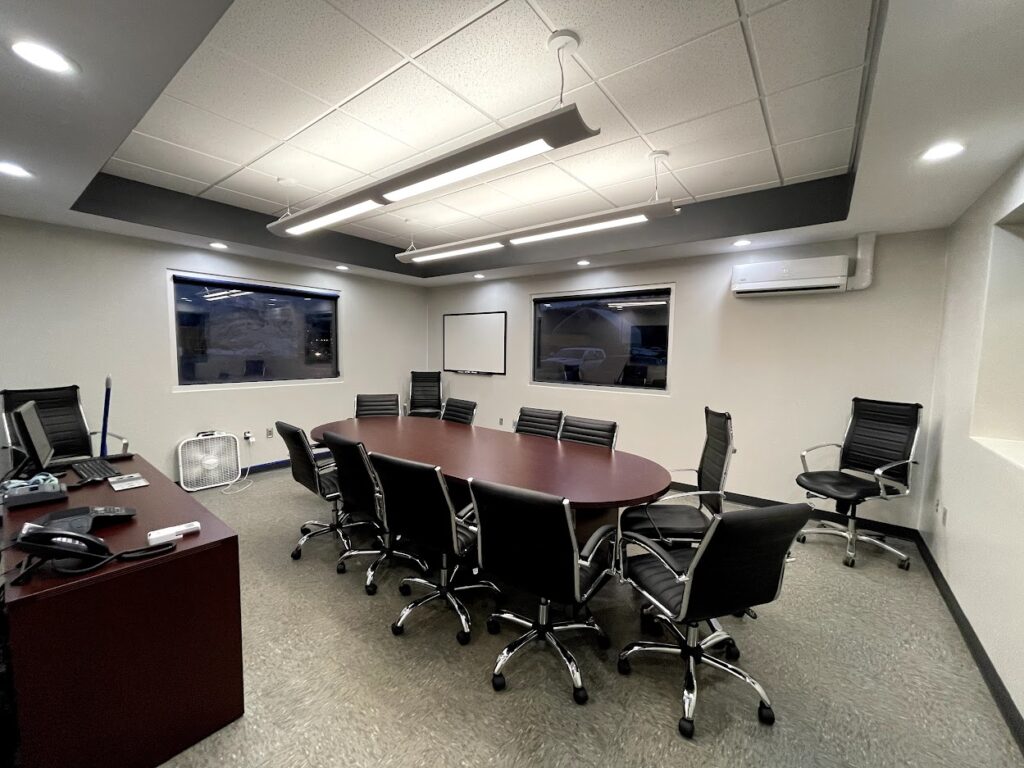
7. Final Inspection and Touch-Ups
Why it matters: Small imperfections can detract from the overall appearance. Thorough inspection ensures a truly flawless finish.
Steps:
- Once the paint has dried, inspect the entire surface under good lighting.
- Touch up any drips, uneven areas, or missed spots.
- Remove masking tape carefully to avoid smudging edges.
- Clean the area and remove all equipment.
Tip: Sometimes, a second light sanding or a quick touch-up can make all the difference in achieving perfection.
8. Maintain the Finish
Why it matters: Proper maintenance extends the life of your paint job and keeps it looking fresh.
Tips:
- Clean painted surfaces regularly with mild cleaning agents.
- Address scuffs or marks promptly.
- Repaint or touch up as needed to prevent deterioration.
Final Thoughts: The Path to a Perfect Commercial Paint Finish
Achieving a flawless commercial paint finish is both an art and a science. It requires careful planning, quality materials, and meticulous execution. By inspecting and preparing surfaces thoroughly, selecting the right primers and paints, applying multiple thin coats with proper techniques, and maintaining ideal environmental conditions, you set the foundation for a professional, durable, and visually stunning result.
Remember, patience and attention to detail are your best allies. Whether you’re a seasoned professional or a business owner overseeing a renovation, following these steps will help you deliver a commercial paint job that impresses clients, employees, and visitors alike—and stands the test of time.
Brushes Over Broome: Your Interior House Painter in Vestal, NY
At Brushes Over Broome, we specialize in interior house painting in Vestal, NY, and surrounding areas like Binghamton and Johnson City. We understand the importance of painting trim properly, and our team is dedicated to making sure your home looks amazing.
Why Choose Brushes Over Broome?
Ready to give your trim a fresh look? Call Brushes Over Broome today at 607-524-5590 for a FREE estimate. Let us help you make your trim stand out!