A fresh coat of paint can dramatically transform the look of a space, boosting curb appeal and adding a touch of personality to your home or office. However, a poorly executed paint job can do just the opposite—creating a mess that’s costly and time-consuming to fix. Whether you’re considering tackling a DIY project or hiring a professional, understanding the common problems that stem from subpar painting can help you avoid costly mistakes and ensure a beautiful, long-lasting finish.
In this article, we’ll explore the most prevalent problems caused by poor paint jobs, how to identify them, and tips to prevent these issues from happening in your next project.
1. Uneven Coverage and Patchiness
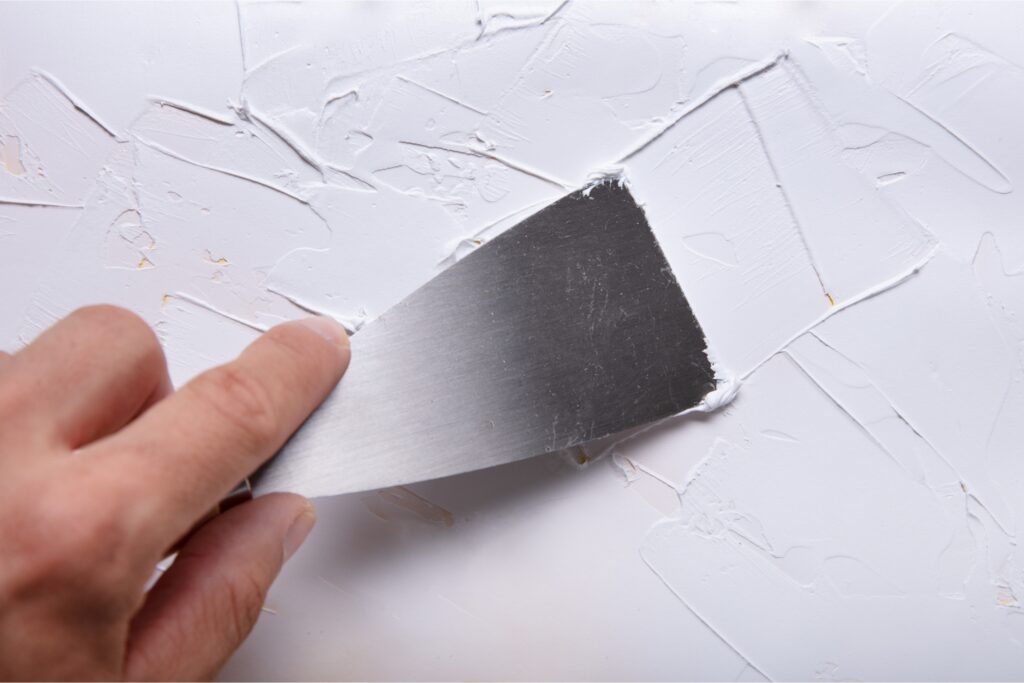
What it looks like: Streaks, blotches, or areas with inconsistent color or opacity. This can leave walls looking mottled or streaked, undermining the overall aesthetic.
Why it happens: Poor surface preparation, using low-quality paint, or applying insufficient coats. Sometimes, painters rush through the process or don’t allow previous coats to dry properly.
Consequences: The need for reapplication, increased costs, and an unprofessional appearance.
How to avoid: Always prepare surfaces properly by cleaning, sanding, and priming. Use high-quality paint suited for the surface, and apply at least two coats, allowing adequate drying time between layers.
2. Drips, Runs, and Bubbles
What it looks like: Visible paint drips running down walls, bubbling or blistering paint, and uneven textures.
Why it happens: Overloading brushes or rollers with paint, applying paint too thickly, or painting in high humidity or extreme temperatures. Using low-quality paint or not stirring it thoroughly can also contribute.
Consequences: A rough, unattractive finish that requires sanding and repainting.
How to avoid: Use the right tools and techniques—don’t overload brushes or rollers, and apply paint in thin, even coats. Paint in suitable weather conditions and stir the paint well before use.
3. Cracking and Peeling
What it looks like: Flaking or peeling paint, often seen as patches or layers that lift off the surface.
Why it happens: Poor surface preparation, applying paint over incompatible layers, or using low-quality paint. Also, painting over damp or dirty surfaces can cause adhesion issues.
Consequences: A compromised finish that deteriorates quickly, leading to additional repairs and repainting.
How to avoid: Ensure surfaces are clean, dry, and properly sanded or primed before painting. Use compatible paints and avoid painting over peeling or flaking layers.
4. Color Mismatch and Fading
What it looks like: Colors don’t match the original or the intended shade, or the paint appears dull and faded over time.
Why it happens: Inconsistent mixing, using different batches of paint, or applying low-quality paints that fade quickly.
Consequences: An uneven appearance, necessitating touch-ups or complete repainting.
How to avoid: Always mix paint thoroughly and use the same batch for a project. Invest in good-quality paints with UV resistance for longevity.
5. Visible Brush Strokes and Roller Marks
What it looks like: Textured lines or streaks on smooth surfaces, detracting from a polished look.
Why it happens: Applying paint too thickly, using the wrong brush or roller, or not maintaining a “wet edge” while painting.
Consequences: An unprofessional finish that detracts from the overall aesthetic.
How to avoid: Use high-quality brushes and rollers suitable for your paint type, and work in smooth, overlapping strokes. Maintain a wet edge for seamless blending.
6. Paint Bleeding and Stains
What it looks like: Dark stains or colors bleeding through a new paint layer, often seen in ceilings or old walls.
Why it happens: Not applying a stain-blocking primer or painting over water stains or smoke damage without proper preparation.
Consequences: Stains become visible through the new paint, requiring additional coats and primer.
How to avoid: Use a high-quality stain-blocking primer on problematic areas before painting.

7. Long Drying and Curing Times
What it looks like: Paint remains tacky or feels sticky long after application, delaying the use of the space.
Why it happens: Using paint in unsuitable weather, applying too thick a coat, or using low-quality paint that dries slowly.
Consequences: Increased project timelines and risk of smudges or damage before the paint cures.
How to avoid: Follow manufacturer guidelines regarding temperature and humidity. Apply thin coats and choose fast-drying paints if necessary.
8. Poor Edging and Tape Work
What it looks like: Bleeding paint under tape, uneven lines, or visible imperfections along edges.
Why it happens: Rushing the taping process, not pressing tape firmly, or removing tape too early.
Consequences: A sloppy appearance and additional touch-up work.
How to avoid: Use high-quality painter’s tape, press it down firmly, and remove it while the paint is still slightly tacky for crisp lines.
9. Mold and Mildew Growth
What it looks like: Black, green, or gray spots on painted surfaces, often in bathrooms or damp areas.
Why it happens: Painting over existing mold or not addressing moisture issues beforehand.
Consequences: Health risks and the need for mold remediation and repainting.
How to avoid: Clean and treat mold before painting, fix leaks or moisture problems, and use mold-resistant paints in high-humidity areas.
Final Thoughts: How to Prevent Problems from a Poor Paint Job
The key to avoiding these common issues lies in preparation, quality materials, and proper techniques. Here are some tips:
- Surface Preparation: Clean, sand, and prime surfaces thoroughly before painting.
- Choose Quality Materials: Invest in good-quality paints, brushes, and rollers.
- Follow Instructions: Read and follow manufacturer guidelines for application and drying.
- Weather Conditions: Avoid painting in extreme heat, cold, or humidity.
- Take Your Time: Don’t rush the process—patience ensures a more uniform and durable finish.
- Professional Help: For complex projects or high-stakes areas, consider hiring experienced painters.
Conclusion
A poor paint job can lead to a host of problems, from aesthetic flaws to costly repairs. Recognizing the common issues such as uneven coverage, peeling, bubbling, and staining can help you take preventive measures—whether you’re painting yourself or hiring a professional. Proper surface preparation, high-quality materials, and patience are your best tools for achieving a flawless, long-lasting finish.
Remember: Investing a little extra time and effort upfront pays off with a beautiful, durable result that enhances your space for years to come.
Brushes Over Broome: Your Interior House Painter in Vestal, NY
At Brushes Over Broome, we specialize in interior house painting in Vestal, NY, and surrounding areas like Binghamton and Johnson City. We understand the importance of painting trim properly, and our team is dedicated to making sure your home looks amazing.
Why Choose Brushes Over Broome?
Ready to give your trim a fresh look? Call Brushes Over Broome today at 607-524-5590 for a FREE estimate. Let us help you make your trim stand out!